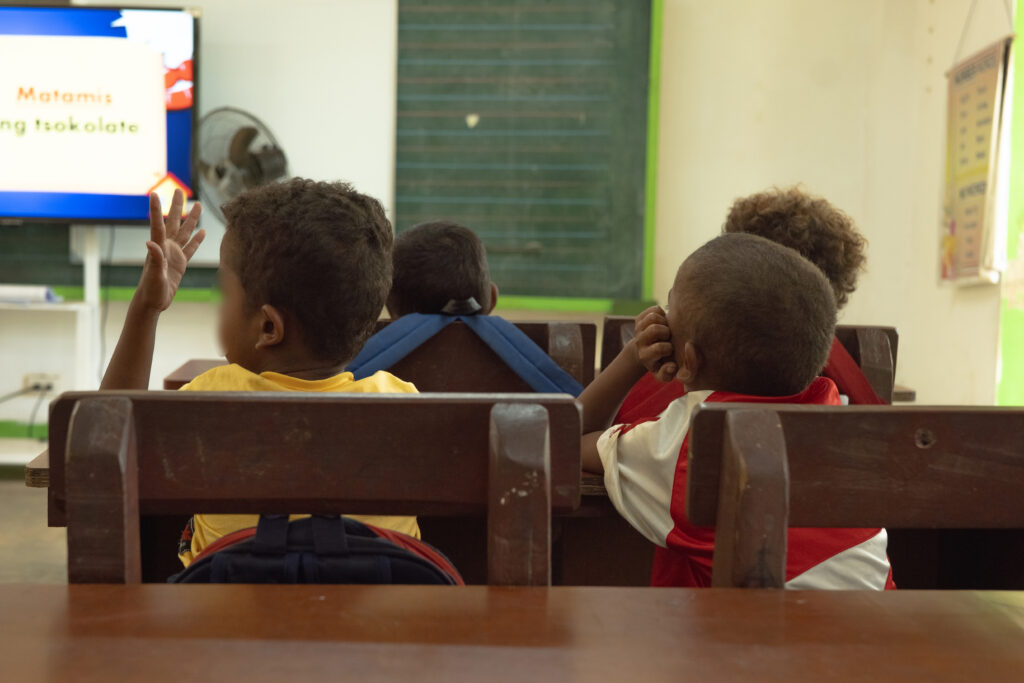
Education for the Ayta Sambal community is shaped not only by the classroom, but by their culture, livelihood, and systemic gaps. These experiences reveal what makes schooling difficult and what must change so every learner can thrive.
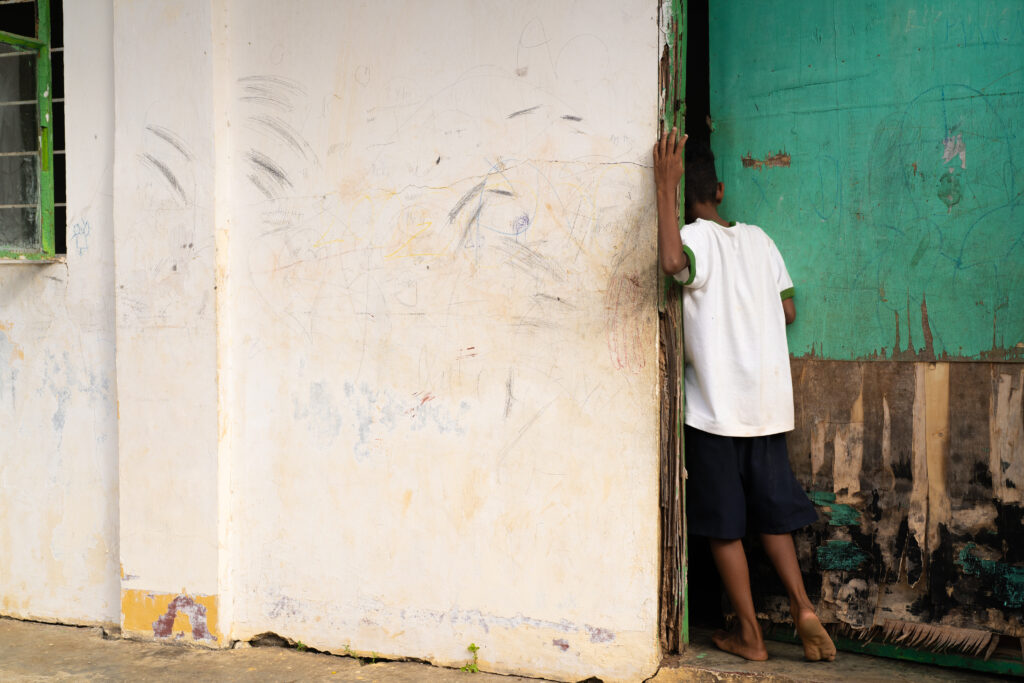
Government programs like the Last Mile Schools Program have brought classrooms closer to Indigenous communities. These Indigenous People schools have become safe spaces where students can come as they are—barefoot, in slippers, or wearing their traditional attire like bahag—allowing them to maintain their cultural identity within a formal learning setting.
However, the school’s proximity to their community doesn’t guarantee success. Access alone isn’t enough; there’s still a long way to go to make education truly reachable, not just in distance, but in opportunity and support.
For many Ayta Sambal families, daily survival takes priority over schooling. Students often miss classes to help their parents gather food or find ways to earn money for basic necessities. During planting and harvest seasons, it’s common for children to be absent for weeks.
Teachers, who understand this reality, show cultural empathy by accepting these absences as necessary rather than viewing them as academic deficiencies. But no amount of leniency can fill an empty stomach. When a child must choose between learning and survival, education must come second.
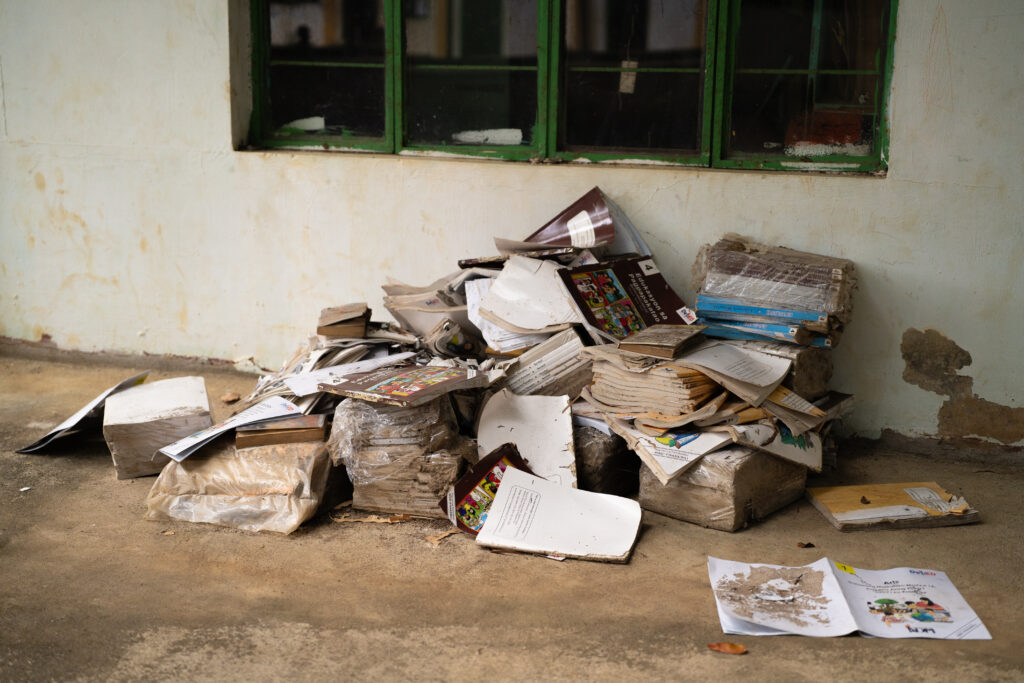
These days, technology plays a big role in how students learn. Yet for the Ayta Sambal Community, access to smartphones, laptops, and the internet remains limited, making it difficult for students to fully participate in modern education. Many find alternative ways to access them; teachers remind them that education may one day lead to obtaining these tools. Still, the gap remains wide: students are expected to succeed in a system without the resources they need, leaving them at a disadvantage compared to peers with regular access.
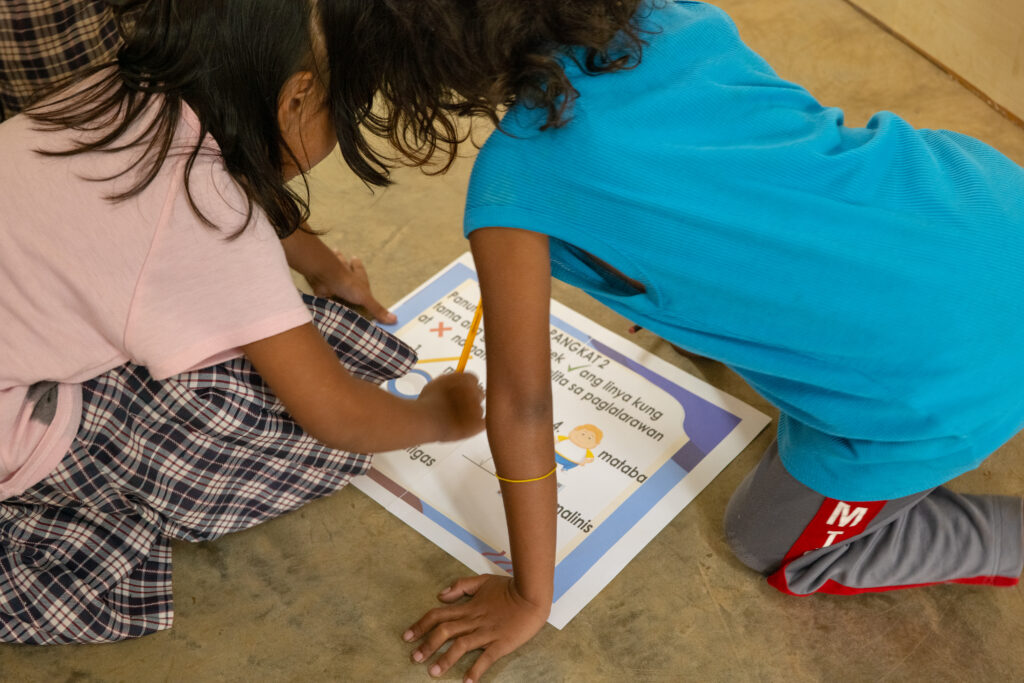
Transitioning from their mother tongue, Sambal, to Filipino or English in school makes learning more difficult. Many struggle to form sentences, comprehend lessons, or pronounce words in these languages. Students often find English or Mathematics as their most challenging subjects, with language barriers greatly affecting their literacy skills.
Current educational practices and approaches may prioritize mechanical reading skills over in-depth language understanding, leading to surface-level learning instead of functional multilingual understanding.
We Can Change the Story
Their challenges reveal what still needs to be done. Your support can help bridge the gaps and uplift a community that has long valued education as their strength.